
What is eyelid surgery?
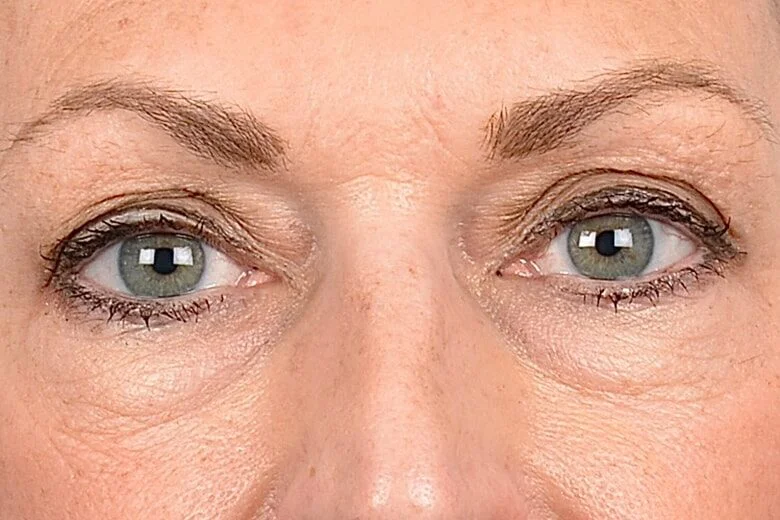
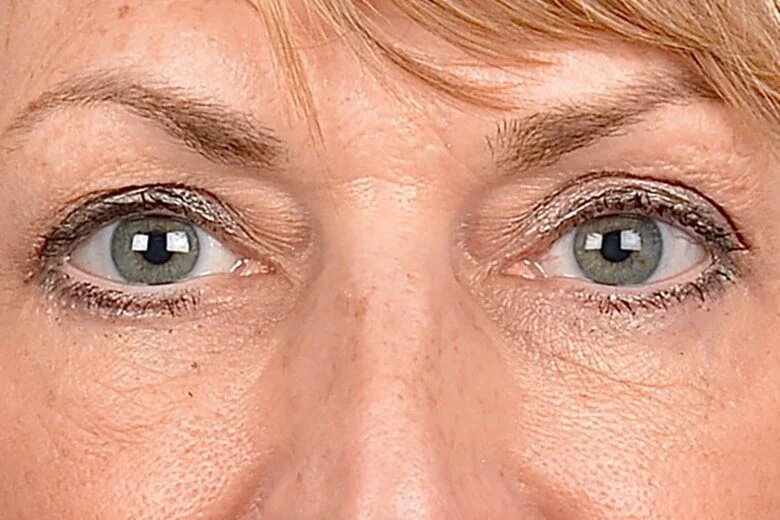
Eyelid surgery is designed to rejuvenate the appearance of the eyelids by removing or repositioning excess skin, fat, and muscle in the upper and/or lower eyelid region. The procedure can help to resolve common concerns surrounding saggy, puffy, and wrinkled eyelid skin, as well as severely overhanging skin that may impair vision. The specific surgical techniques used during eyelid surgery are designed to work with the patient’s unique anatomy and aesthetic goals to create a natural-looking, more youthful aesthetic.
The natural aging process can cause the tissues and muscles around the eyes to loosen and weaken. The brow and cheeks lose volume and descend with time contributing to the heaviness of the upper eyelids and cheeks. Descent of the cheek fat pads also leads to exposure of the underlying orbital bone structure, creating a shadow under the eye and resulting in a tired and aged appearance. Our Zionsville and Indianapolis-area facial plastic surgeon, Dr. Emily Hrisomalos, offers blepharoplasty to patients seeking to rejuvenate the eyes for a more youthful appearance. Also referred to as an eyelid lift, blepharoplasty can be an ideal solution to address puffiness, drooping/excess skin, and dark shadows around the eyes.
If you are interested in learning more about eyelid surgery and how it can benefit you, we invite you to explore the informative sections provided below.
Eyelid Surgery At a Glance
- Potential Benefits:
- Smoother, firmer eyelid skin; reduced puffiness and under-eye bags; enhanced facial balance; and improved peripheral vision when overhanging skin is removed.
- Ideal Candidates:
- Healthy adults bothered by sagging, drooping, under-eye shadowing, or puffy eyelids—either for cosmetic reasons or visual impairment.
- Procedure Overview:
- Tailored to each patient, upper and/or lower blepharoplasty may involve removing or repositioning excess skin, muscle, or fat.
- Recovery Timeline:
- Most swelling and bruising resolve within two weeks, with sutures removed after about one week; full results develop over several months.
- Surgeon’s Experience:
- Dr. Hrisomalos is a double board-certified facial plastic surgeon with extensive training and experience in advanced eyelid surgery techniques.
What Are the Benefits of Blepharoplasty?
Eyelid surgery offers many benefits to patients seeking a more refreshed, rested appearance in the upper and/or lower eye area, including:
- Smoother, firmer skin
- Reduced undereye bags, dark circles, sagging, and puffiness
- Enhanced contours in the eye area and greater overall facial balance
- A more alert, youthful appearance
- Unobstructed vision after removal of excess drooping skin
- Long-lasting results with minimal scarring
While eyelid surgery can achieve significant aesthetic improvement on its own, patients seeking more comprehensive facial rejuvenation may wish to combine blepharoplasty with other treatments, such as a facelift, brow lift, and/or dermal fillers. These procedures are designed to remove or reduce wrinkles and creases while addressing sagging facial skin for more holistic rejuvenation.
Who Is a Good Candidate for Eyelid Surgery?
Ideal candidates for eyelid surgery are individuals who are in good general health and have realistic expectations for the outcome of the procedure. Many patients seek treatment to correct excess skin, puffiness, or drooping in the upper or lower eyelids that makes them look tired, aged, or angry. Others may experience functional issues, such as impaired vision caused by overhanging upper eyelid skin. Candidates should be non-smokers or willing to stop smoking, as this can impact healing. During your consultation, Dr. Hrisomalos will evaluate your concerns and determine whether eyelid surgery is the best option to achieve your aesthetic goals.
What Are the Different Types of Blepharoplasty?
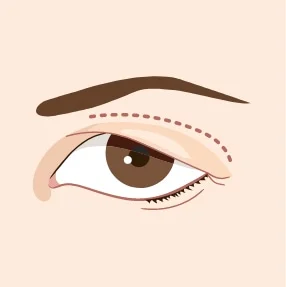
Upper Blepharoplasty
Patients who feel that their upper eyelids are “heavy,” or have noticed excess skin in the upper eyelids may benefit from an upper blepharoplasty procedure. Some patients feel their eyes look smaller or experience difficulty with applying makeup to the upper eyelids due to this skin redundancy. Some even have visual difficulty in the upper fields due to eyelid heaviness. Upper eyelid surgery can be performed for cosmetic reasons as well as for functional concerns and can optimize quality of life significantly.
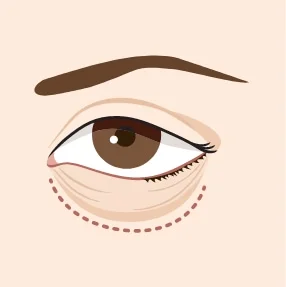
Lower Blepharoplasty
Individuals who want to address “bags” or dark circles under the eye may find that lower blepharoplasty is an optimal solution. Dr. Hrisomalos often uses fat transposition along with other techniques to improve lower eyelid contour and optimize longevity.
Depending on your needs and cosmetic goals, Dr. Hrisomalos may recommend incorporating one or both types of blepharoplasty into your personalized treatment plan. Recovery is similar between upper and lower recovery and is mostly “social.” Physical recovery is typically anywhere from just a couple of days to about two weeks. “Social” recovery varies based on the comfort level of patients being seen during the different stages of healing. Final results will take several months to realize; however, fortunately, the majority of healing takes place within the first few weeks. Dr. Hrisomalos will go over all procedure details and recovery timeline in more detail during your consultation so you know exactly what to expect.
How is Eyelid Surgery Performed?
Blepharoplasty is a highly customizable procedure. Dr. Hrisomalos typically performs eyelid surgery as an outpatient procedure using either local anesthesia with sedation or general anesthesia, depending on the extent of treatment and individual needs. For upper eyelid surgery, a small incision is made within the natural crease of the eyelid to remove excess skin and fat. In lower eyelid surgery, incisions may be placed just below the lash line or inside the lower eyelid (transconjunctival approach) to minimize visible scarring. Fat repositioning or removal may be performed to smooth out under-eye bags or hollow areas. The incisions are then meticulously closed with fine sutures.

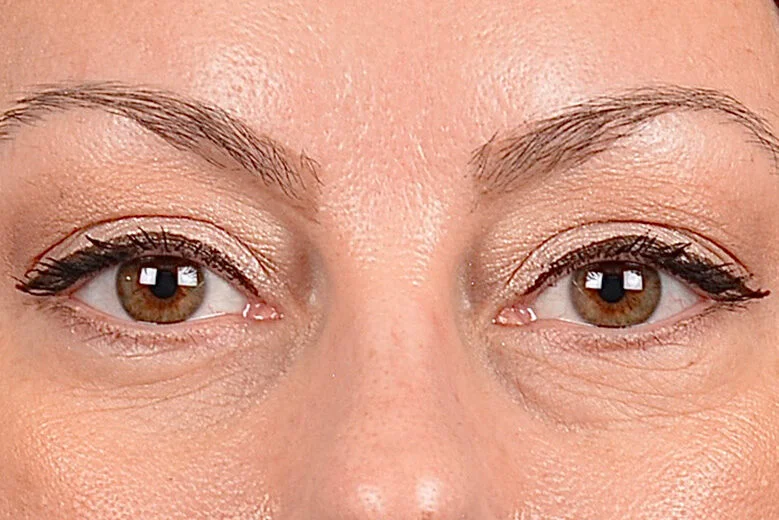
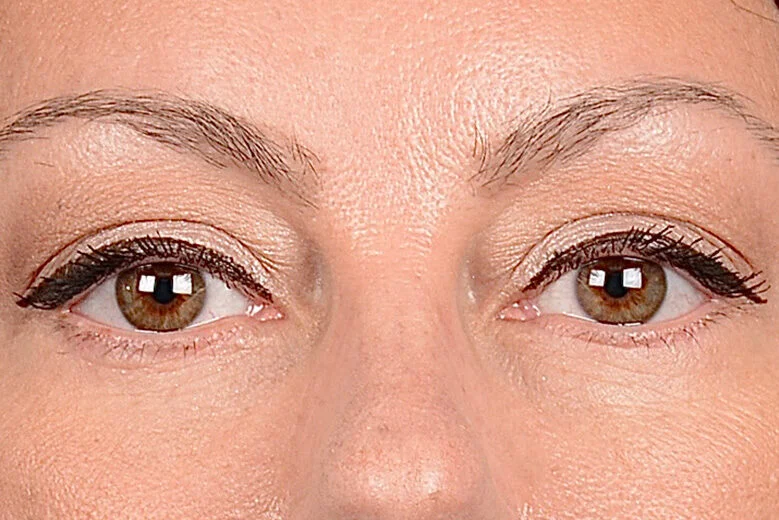
What Is Recovery Like After Eyelid Surgery?
Following eyelid surgery, common side effects will likely include swelling, bruising, soreness, and tightness, which usually subside within a few days. During this time, it is recommended to keep your head elevated while resting/sleeping and use cold compresses to alleviate swelling. Additionally, oral pain medication may be taken as prescribed to help ease any discomfort. Generally, sutures will be removed after five to seven days and patients can return to work and normal activities, pending physician approval. In some cases, patients experience blurry vision, sensitivity to light, or dry eyes for a period of time during recovery but these symptoms should resolve during the healing process.
Will I Have Scars After Eyelid Surgery?
While all surgical procedures involve some degree of scarring, blepharoplasty incisions are generally placed in discreet, natural folds of the eyelids to make scars virtually undetectable once healed. Dr. Hrisomalos uses advanced techniques and precision suturing to help ensure that scars are minimal and well-concealed. Over time, the scars typically fade and blend with the surrounding skin. Following post-operative instructions—including protecting the area from sun exposure—can further help optimize the healing process and scar appearance.

How Much Does Blepharoplasty Cost?
Blepharoplasty is customized to the patient, so the cost of treatment will vary for each individual. Factors that may influence the overall expense of blepharoplasty typically include the following:
- Type of eyelid surgery performed
- Dr. Hrisomalos’ surgical fee
- Surgical facility and anesthesia fees
- Complexity of treatment
- Prescribed medications
- Adjunctive procedures (such as a brow lift or facelift)
Dr. Hrisomalos and our team will provide you with a personalized quote at the time of your consultation. We will also go over your payment options and answer any questions you may have regarding financing. Insurance companies may be able to cover the cost of upper blepharoplasty if it is deemed medically necessary. This may be the case for patients that have undergone formal testing showing that the heaviness of their upper eyelids actually obstructs their vision and negatively affects daily activities; however, these insurance requirements can be quite strict.
If you would like to learn more about blepharoplasty or would like to schedule a consultation with Dr. Hrisomalos, please feel free to contact our practice today!