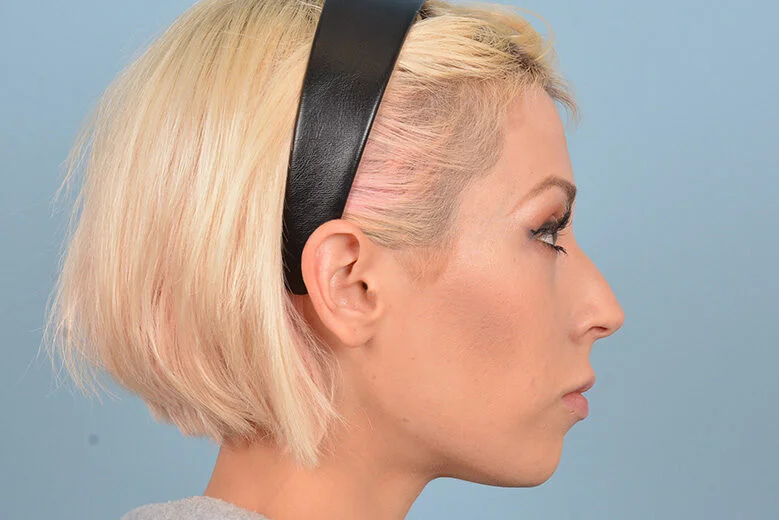
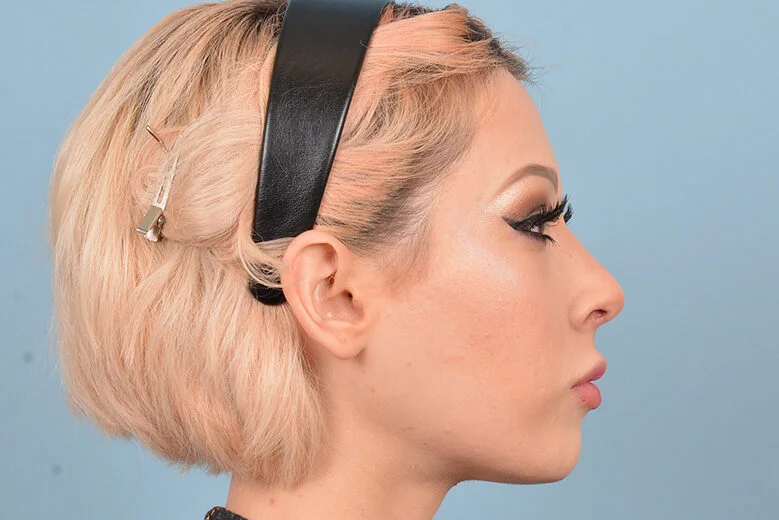
What Is Rhinoplasty?
Rhinoplasty is a popular facial plastic surgery that can reshape the nose to improve its appearance and function. Patients may choose to have nasal surgery for cosmetic reasons or to address functional concerns, like a deviated septum. Many patients decide to undergo surgery to address both cosmetic and functional concerns simultaneously. By altering the size and shape of the nasal tip, contouring the nasal bridge, and making alterations to nostril shape, rhinoplasty can be an ideal solution for enhancing facial balance and symmetry. Treatment can also correct structural problems to help restore proper nasal airflow. Nasal surgery is extremely complex and highly customizable, which is why our double board-certified facial plastic surgeon, Dr. Emily Hrisomalos, a rhinoplasty expert, carefully works with each individual to create a treatment plan that is best suited for their unique needs and goals.
If you are interested in rhinoplasty, we encourage you to read the information provided below.
Rhinoplasty At a Glance
- Potential Benefits:
- Enhances facial balance by refining nasal shape and proportion; can improve nasal airflow and breathing when functional concerns are present
- Candidates:
- Individuals bothered by the size, shape, or symmetry of the nose; patients with breathing difficulties caused by structural nasal issues
- Procedure:
- Typically performed using an open rhinoplasty approach for precision; structural grafting techniques can support long-term stability and function
- Recovery:
- Most patients return to work or school in about one week; swelling should improve steadily, with final refinement continuing for up to one year
- Surgeon’s Experience:
- Most patients return to work or school in about one week; swelling should improve steadily, with final refinement continuing for up to one year
What Concerns Can Rhinoplasty Address?
Rhinoplasty offers a number of benefits with its ability to address a wide variety of both cosmetic and functional concerns. Because the nose is central to facial aesthetics, even small adjustments can have a meaningful impact on appearance and self-confidence. Dr. Emily Hrisomalos customizes each rhinoplasty to meet the individual goals of her patients while maintaining natural proportions and facial harmony.
Cosmetic Improvements
Many patients seek rhinoplasty to refine features they feel are out of balance with the rest of their face. Some of the most common cosmetic concerns include:
- A bump on the bridge of the nose (dorsal hump)
- A wide or drooping nasal tip
- Asymmetry between the nostrils
- A nose that appears too large or too small
- Flared or wide nostrils
- A crooked or off-center nasal appearance
Dr. Hrisomalos takes each patient’s facial structure, gender, and aesthetic preferences into account—whether the goal is a more refined nasal tip, straighter profile, or subtle reshaping that maintains ethnic identity.
Functional Improvements
Rhinoplasty can also improve nasal function by correcting:
- A deviated septum
- Internal valve collapse
- Narrow or obstructed nasal passages
- Inferior turbinate enlargement
- Trauma-related irregularities
These changes can improve airflow and ease breathing, often reducing the need for nasal sprays or allergy medications.
Who Is a Good Candidate for Rhinoplasty?
Rhinoplasty can be the optimal treatment option for patients who have concerns about the appearance of their nose, and/or have a structural nasal deformity that makes it hard to breathe. Candidates for this procedure often include individuals affected by:
- Wide or “flared” nostrils
- Wide or prominent nasal bridge
- Wide or irregular nasal tip
- Drooping nasal tip
- “Crooked” nose
- Deviated septum
Ideal candidates should be in good overall health and have realistic expectations about the outcomes of the procedure. The best way to determine if you are a good candidate for rhinoplasty is to set up a consultation with Dr. Hrisomalos.
If appropriate, 3D imaging software will be used as a communication tool that allows for outcome projections to ensure goals are effectively communicated and agreed upon. This imaging is used along with physical exam findings in order to project a feasible and desirable result. In-depth discussion will take place at your consultation including pre-operative requirements and guidelines, what to expect on the day of surgery, and what to expect post-operatively.
Rhinoplasty vs. Chin Augmentation
Rhinoplasty and chin augmentation are both powerful procedures for improving facial harmony, but they address different anatomical concerns. Rhinoplasty focuses on reshaping the nose to improve proportions, symmetry, and nasal function. Chin augmentation, on the other hand, enhances projection and definition of the chin to better balance the lower face. In some cases, patients believe their nose appears too large when the underlying issue is actually a recessed or under-projected chin. Enhancing chin structure—either alone or in combination with rhinoplasty—can dramatically improve overall facial balance without excessive nasal reduction. During consultation, Dr. Hrisomalos carefully evaluates facial proportions from multiple angles to determine whether rhinoplasty, chin augmentation, or a combined approach can best achieve the patient’s goals.

How Is Rhinoplasty Performed?
Rhinoplasty is typically performed as an outpatient procedure under general anesthesia. Dr. Hrisomalos uses the “open” technique for the surgery. She places a small incision on the underside of the nose between the nostrils that somewhat resembles a z-shaped pattern and makes other internal incisions when needed. The open approach allows Dr. Hrisomalos to better visualize the underlying anatomy of the nose which allows for precise alterations to be made directly. Dr. Hrisomalos also uses a structural and aesthetic grafting technique during the procedure to ensure longevity and stability of the result. Residual scarring eventually becomes inconspicuous during the healing process secondary to strategic placement and closure technique.
What Is Recovery from Rhinoplasty Like?
The recovery process for rhinoplasty is different for every patient. The majority of swelling and bruising usually subsides within the first few weeks following surgery, and gradually disappears over time. This process depends highly on post-operative care and activity. Keeping the head elevated and applying ice to the nose consistently, particularly during the first week after surgery, greatly speeds up resolution of bruising and swelling. Any pain or swelling can often be easily managed by taking over-the-counter pain medications. Patients can usually return to school or work after about a week; however, individuals with physically strenuous jobs may need more time to heal.
In general, this first week is considered the “physical” recovery period, and the subsequent weeks are more of a “social” recovery period during which patients are feeling well and able to perform day-to-day activities but may not be able to hide the fact that surgery was performed in social situations. After the procedure, Dr. Hrisomalos will provide specific and detailed post-operative instructions to help ensure a smooth recovery period. With any rhinoplasty, final results will take up to a year to be fully realized. In revision cases, this timeline may be extended. Fortunately, by about three months after surgery, the vast majority of swelling has resolved and the changes that take place thereafter are subtle.
Additionally, rhinoplasty consultations can also be performed virtually, with an in-person visit arranged if surgery is planned. For out-of-town patients who are travelling to our practice, the in-person visit can be scheduled in a way that it is accomplished during the same trip. We generally recommend that out-of-town patients stay in town for up to two weeks.
How Long Do Rhinoplasty Results Last?
When performed by an experienced surgeon, the results of a rhinoplasty should remain stable for a lifetime. The structural corrections made during surgery, either for cosmetic or medical reasons, are considered permanent once fully healed. This is the reason Dr. Hrisomalos takes a structural open approach to surgery so that all changes can be precisely made and stabilized. Some breathing issues are influenced by the swelling of the nasal lining, which can be contributed to by other factors, including allergies. In these cases, there may still be fluctuations of breathing with the changing of the seasons, and medical treatments may still be required in order to reduce congestion. Making structural changes to the inside of the nose often allows for these topical treatments to work more effectively. Following the post-procedure care instructions provided by Dr. Hrisomalos is the best way to support a proper recovery and ensure the most successful long-term rhinoplasty outcome.
Will I Have Scars After Rhinoplasty?
Patients typically report that rhinoplasty scars are virtually invisible once they are completely healed. Dr. Hrisomalos takes great care to minimize rhinoplasty scarring by utilizing meticulous incision and suture placement during her preferred method of “open” rhinoplasty. This technique calls for the placement of a small incision on the underside of the nose between the nostrils, meaning any scarring would be on the under-surface of the nose where there is natural shadowing. Dr. Hrisomalos will be able to demonstrate exactly where incisions will be during an initial consultation so there is a clear understanding prior to surgery.
What Will My Rhinoplasty Results Look Like?
Rhinoplasty results can vary significantly based on the custom treatment plan created by Dr. Hrisomalos for each individual. Furthermore, rhinoplasty addresses the nasal bones, cartilage, and overall nasal structure. This structure, and the healing process, vary widely based on a variety of factors, including gender, age, ethnicity, past injury or trauma, tissue integrity, post-operative care, scarring potential, and skin thickness, among other things. VECTRA 3D imaging is used during consultations as a communication tool to discuss cosmetic goals. This system does not account for these different tissue types and is never used as a guarantee of outcome, as the imaging program cannot account for variations in tissues and healing. Having access to this imaging is a wonderful tool to ensure realistic goals are communicated. Dr. Hrisomalos performs every rhinoplasty with the goals of the patient in mind, striving to create balance with the surrounding facial features to achieve beautiful, natural-looking results.
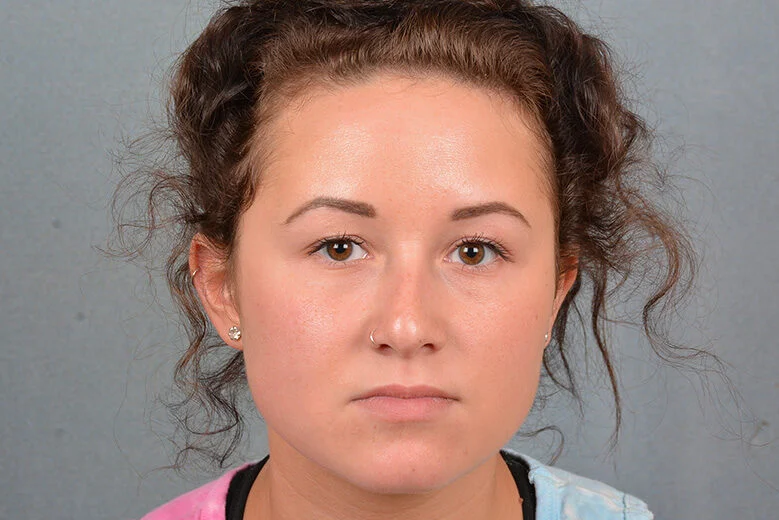
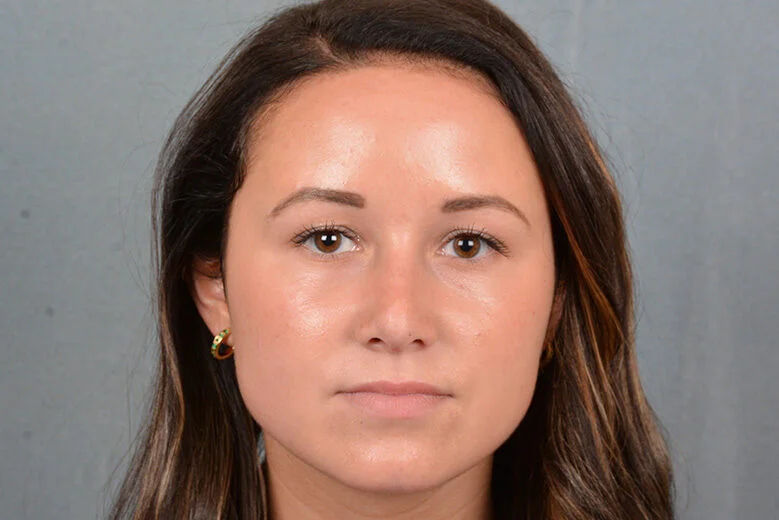
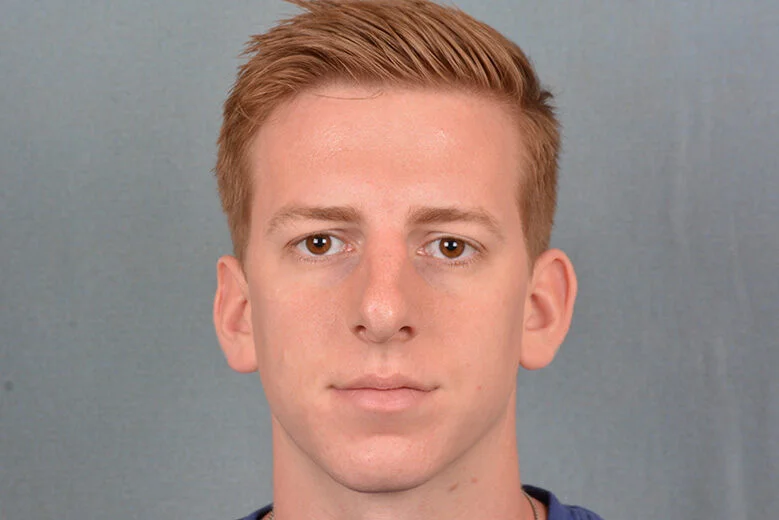
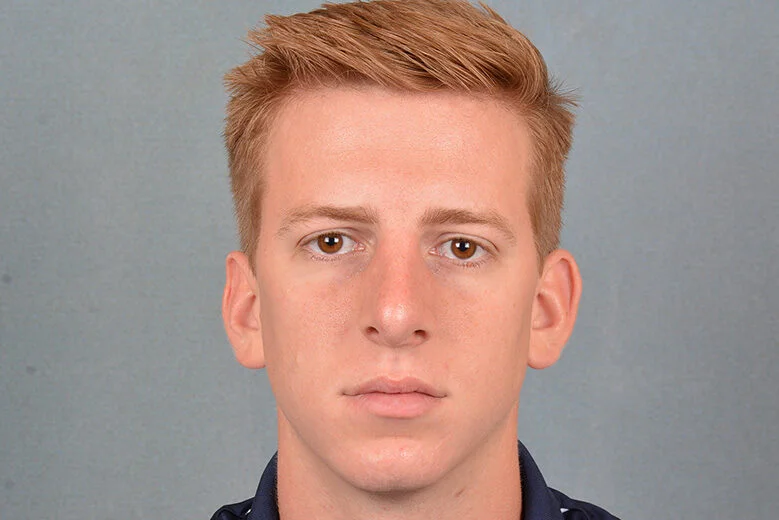
In addition to natural anatomical variances, patients often have different cosmetic interests. Rhinoplasty is far from a “one size fits all” procedure, and each patient’s unique features and goals are taken into consideration. For example, those who prefer a masculine aesthetic typically gravitate towards broader noses, wider bridges, and thicker skin around the nostrils and nasal tip, while those who prefer a more feminine appearance to the nose often desire a narrower nasal bridge and a thinner tip with increased rotation. Additionally, individuals may wish to retain certain ethnic features while still refining the overall appearance of their nose. Dr. Hrisomalos invites you to view her rhinoplasty before-and-after photos for examples of previous patients that she has helped achieve their aesthetic goals.

How Much Does Rhinoplasty Cost?
The price of rhinoplasty varies depending on the patient’s unique treatment plan, which includes surgery, anesthesia fees, facility fees, and all post-operative follow-up appointments. There are many factors that can influence the full price of rhinoplasty, including:
- Complexity of treatment
- Surgeon’s fee
- Anesthesiologist’s fee
- Surgical facility fee
- Grafting materials
- Post-operative medications
During your consultation, a member of our team can provide an accurate price quote and go over available financing options that work best for your budget. Nasal surgery for cosmetic reasons is typically not covered by medical insurance. For functional reasons, such as nasal obstruction secondary to a deviated septum or fracture, some medical insurance plans may cover part of the cost. We encourage you to contact your insurance company about possible coverage for rhinoplasty.
Rhinoplasty can provide a variety of aesthetic and functional benefits and can be truly life-changing. If you have any additional questions or would like to schedule a consultation with Dr. Hrisomalos, please contact us today.
Is a Non-Surgical Rhinoplasty Possible?
Non-surgical rhinoplasty, often performed using dermal fillers, can temporarily camouflage minor irregularities such as small dorsal humps or asymmetries. This approach may be appropriate for select patients seeking subtle changes without surgery. However, non-surgical rhinoplasty cannot reduce nasal size, correct breathing problems, or address significant structural concerns. Additionally, filler-based nose treatments are temporary and require ongoing maintenance.
Because the nose has complex anatomy and critical blood supply, these procedures should only be performed by highly trained specialists. Dr. Hrisomalos helps patients understand the limitations and risks of non-surgical rhinoplasty and whether it is an appropriate option compared to surgical correction.
How to Choose the Best Rhinoplasty Surgeon for You
Rhinoplasty is one of the most complex facial plastic surgery procedures, making surgeon selection especially important. Patients should seek a surgeon with specialized training in facial plastic surgery, extensive experience with both cosmetic and functional rhinoplasty, and a thorough understanding of nasal anatomy.
Equally important is a surgeon’s aesthetic philosophy and ability to create individualized results that complement each patient’s unique features. Dr. Emily Hrisomalos is a double board-certified facial plastic surgeon and takes a highly personalized approach to rhinoplasty, combining technical precision with careful attention to facial harmony, breathing function, and long-term outcomes. A comprehensive consultation, clear communication, and setting realistic expectations are essential components of a successful rhinoplasty experience. These facets of care are cornerstones of Dr. Hrisomalos’ philosophy and she is committed to providing our patients with safe, effective treatment and the best possible results.
Additional Frequently Asked Questions About Rhinoplasty
What is the typical recovery timeline after rhinoplasty?
Most patients return to school or work in about a week. Swelling and bruising improve steadily in the first few weeks, though subtle swelling may take up to a year to fully resolve. The vast majority of changes take place within the first three months.
Are there risks associated with rhinoplasty?
As with any surgery, rhinoplasty carries risks. These include bleeding, infection, or asymmetry, among others. Risks can be reduced and minimized when performed by an experienced facial plastic surgeon like Dr. Hrisomalos. All risks will be discussed during consultation to ensure you have a comprehensive understanding of both risks and benefits. Our primary goal is for you to be well-informed and comfortable going into surgery.
How should I prepare for nose surgery?
Patients are advised to stop smoking, avoid certain medications, and follow detailed pre-operative instructions provided during their consultation. Dr. Hrisomalos strives to ensure each patient is thoroughly prepared before surgery.
What post-operative rhinoplasty care is required?
After surgery, patients should rest with their head elevated and ice the area to reduce swelling. Avoiding strenuous activity and following all post-operative guidelines are essential for optimal healing.
How long does it take to heal after rhinoplasty?
While most swelling fades within a few weeks, complete healing—including subtle refinements—can take up to 12 months. Results should improve steadily over time, with most changes noticeable within the first 3 months.